

Earlier this year, I got accepted as one of the 41 Fellows for the Global Leadership Initiative co-organized by Salzburg Global and the Korea Foundation of Advanced Studies. This year's theme, "Connecting Technologies," invited us to explore technology's complex influence on economic growth, governance, societal equity, security, and environmental sustainability.
After a couple of virtual sessions, last week, we finally convened in Schloss Leopoldskron, which has been the home of Salzburg Global since 1947, for our offline sessions. The five groups addressing the various sub-themes will soon produce a published report, so this post will focus less on the content of our discussions and more on the insights I gained from my brilliant fellow cohort mates.
And adding some photos to add some permanence to the experience we shared during our time in Salzburg.
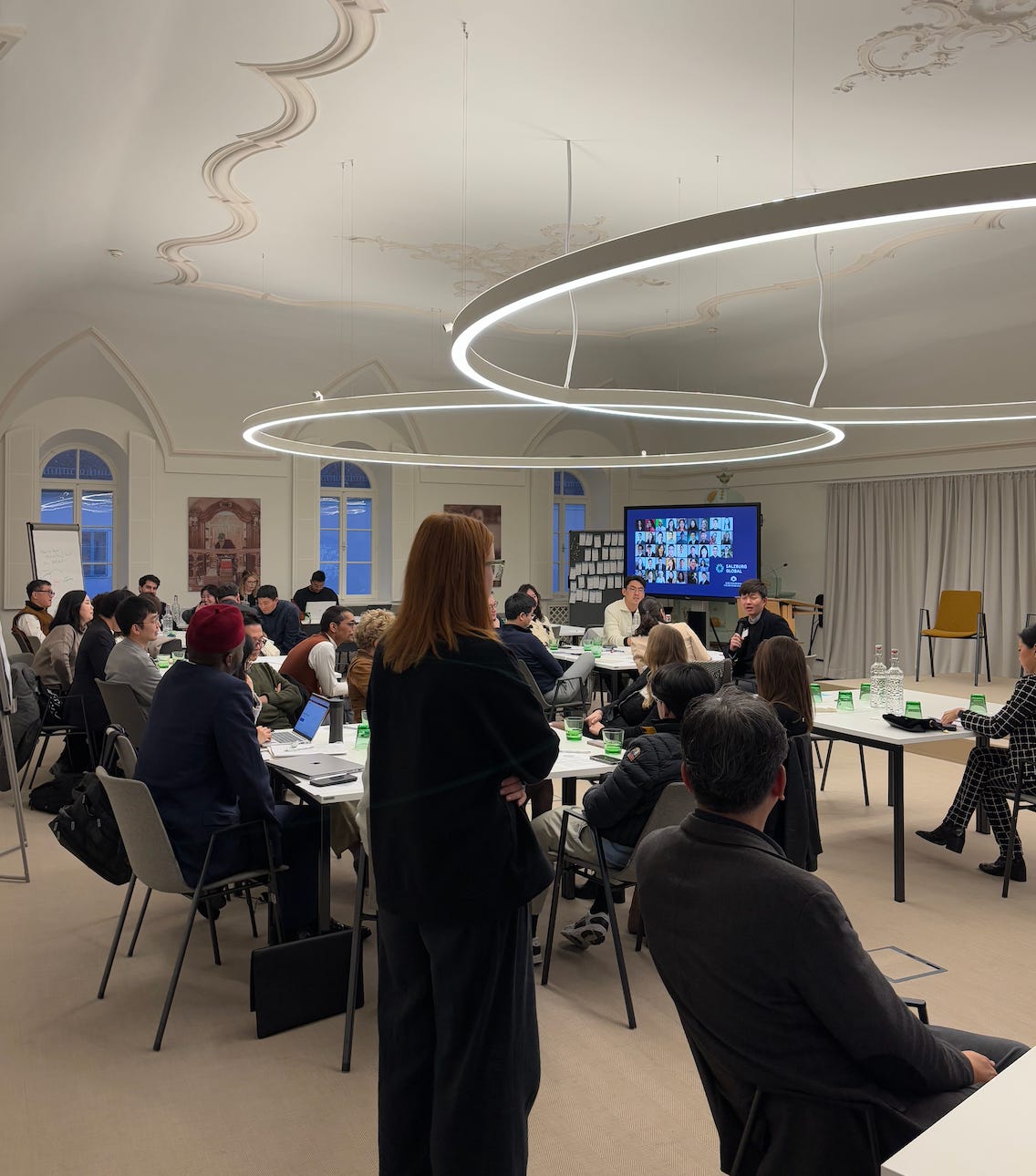
In the United States, it is the State Department that oversees Artificial Intelligence policies, whereas in other countries, like South Korea, it is the Ministry of Science of Technology or an equivalent ministry. This discrepancy itself shows how the advancement of AI is deemed as a national strategic asset in the United States and hence why the responsibility is entrusted to the State Department. Further expanding this point, in September 2024, the U.S. State Department announced, in collaboration with USAID, it will invest $33 million in AI development, with $10 million dedicated to expanding AI access. They are also working with Congress to secure an additional $23 million for developing safe, reliable and trustworthy AI governance frameworks.
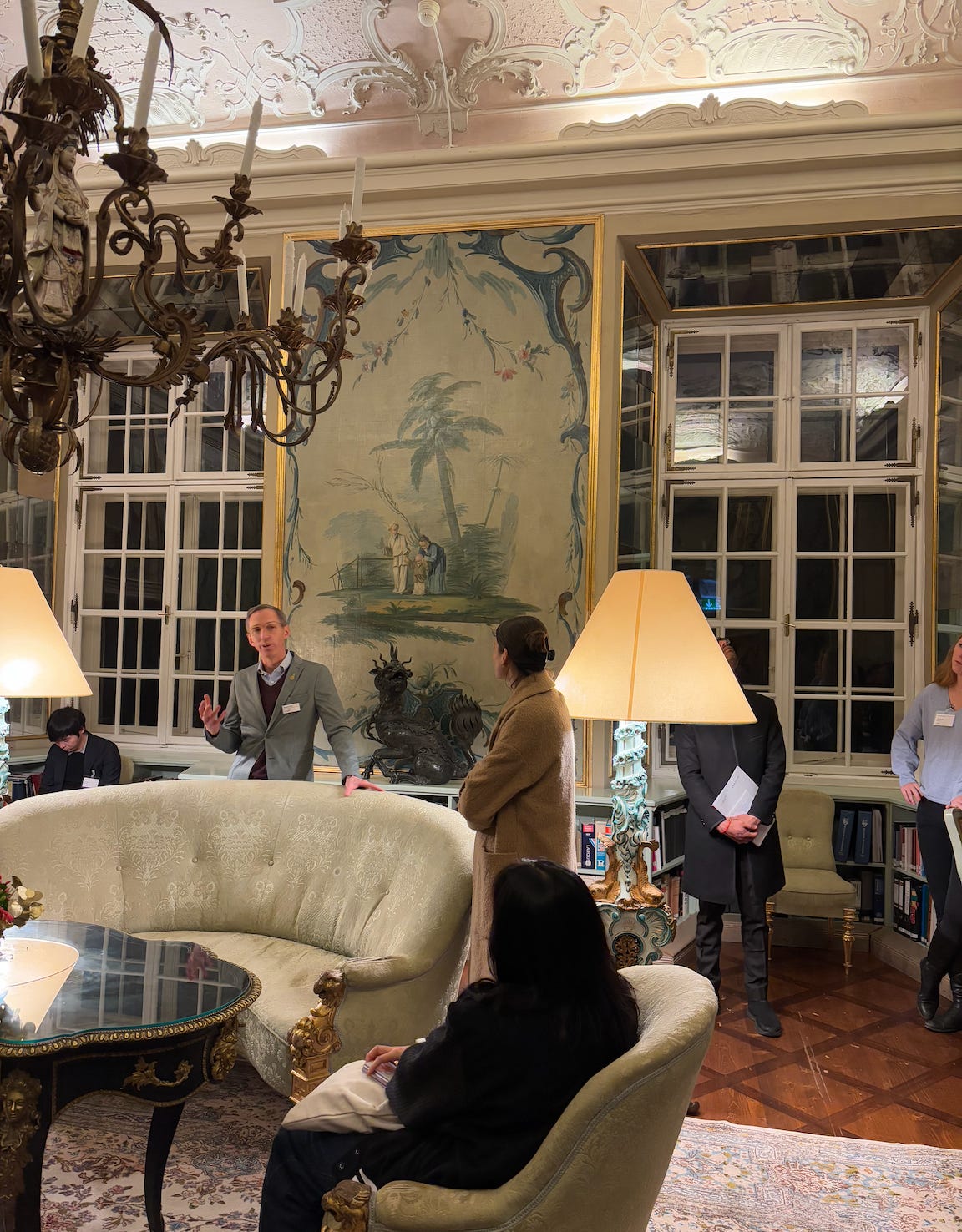
Can you spot Chinese Goddess Guanyin? Talking about the U.S., the National Institute of Standards and Technology (NIST) recently published a report titled “Reducing Risks Posed by Synthetic Content”, addressing the measures against AI-powered deepfakes. The report recommends recording and revealing the provenance of content (including source and history of changes) and providing tools to label and identify synthetic content.

The significance of breaking bread together three times per day AI employs various reasoning types to make predictions and solve problems. Reasoning, by its definition, is the logical process that enables machines to make predictions, and solve problems like humans and AIs employ different types of reasoning to achieve this. Deductive reasoning, for instance, is a top-down approach where conclusions are drawn from known or assumed premises.
—>[If all desserts are sweet, and carrot cake is a dessert, then carrot cake is sweet]
This article covers the different types of AI reasoning.
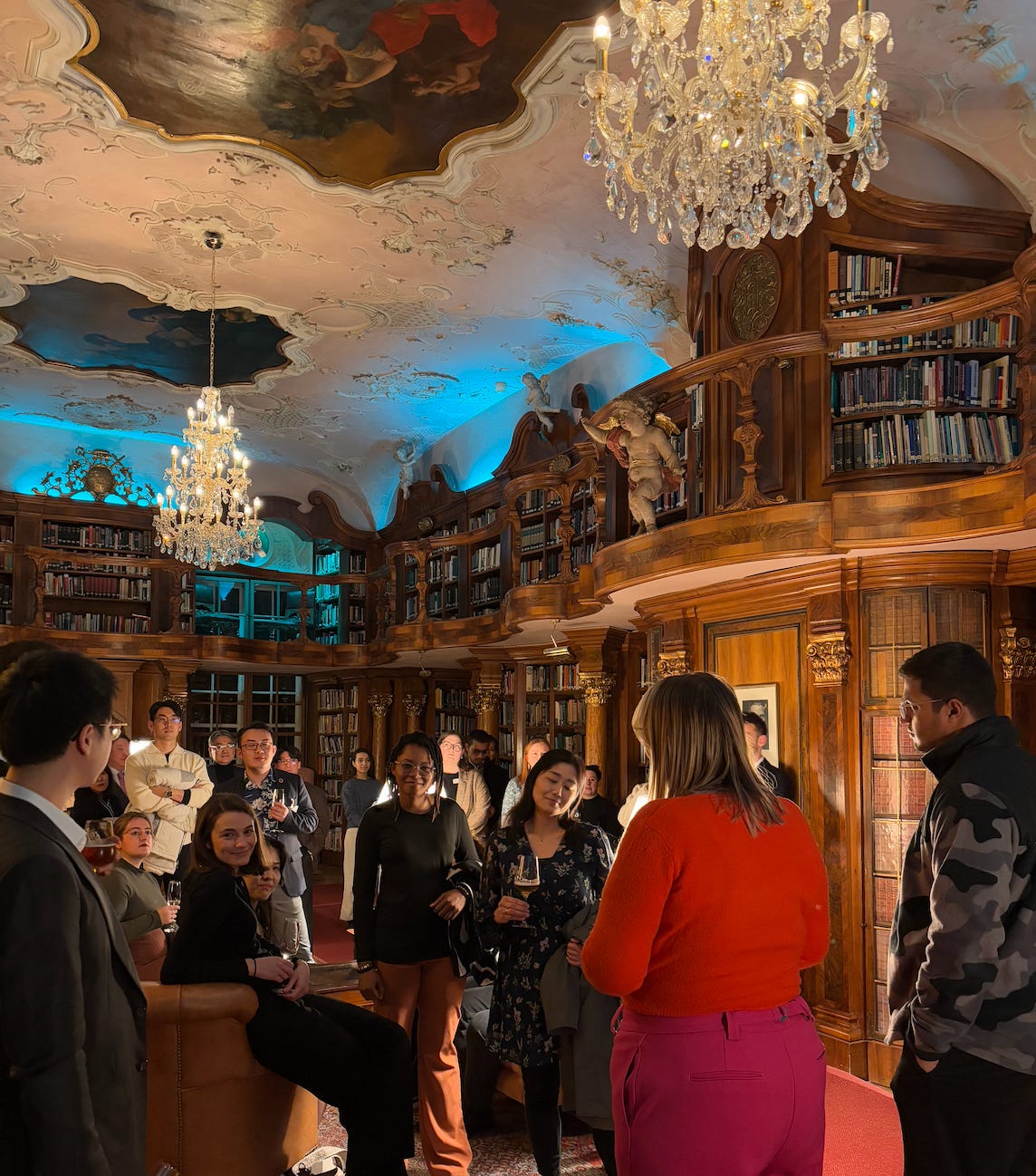
Have you seen a more beautiful library before? The evolution of AI operations is rapidly evolving, we went from Machine Learning Operations (MLOps) to Large Language Model Operations (LLM OPs) with Generative AI and now we are transitioning to a new era of Agentic Ops. MLOPs streamlines deploying ML models through continuous testing, updating, and monitoring. But as ML and AI use cases continued to expand, the need arose for specialized tools and best practices to handle particular complex AI apps, like those using LLMs. And that is how we evolved to LLMOps, a new approach to AI development that addresses the challenges of building with LLMs. Interestingly, LLMOps is not just about managing these models but it is also about orchestration, governance, and optimization. This article goes deeper on this transition.

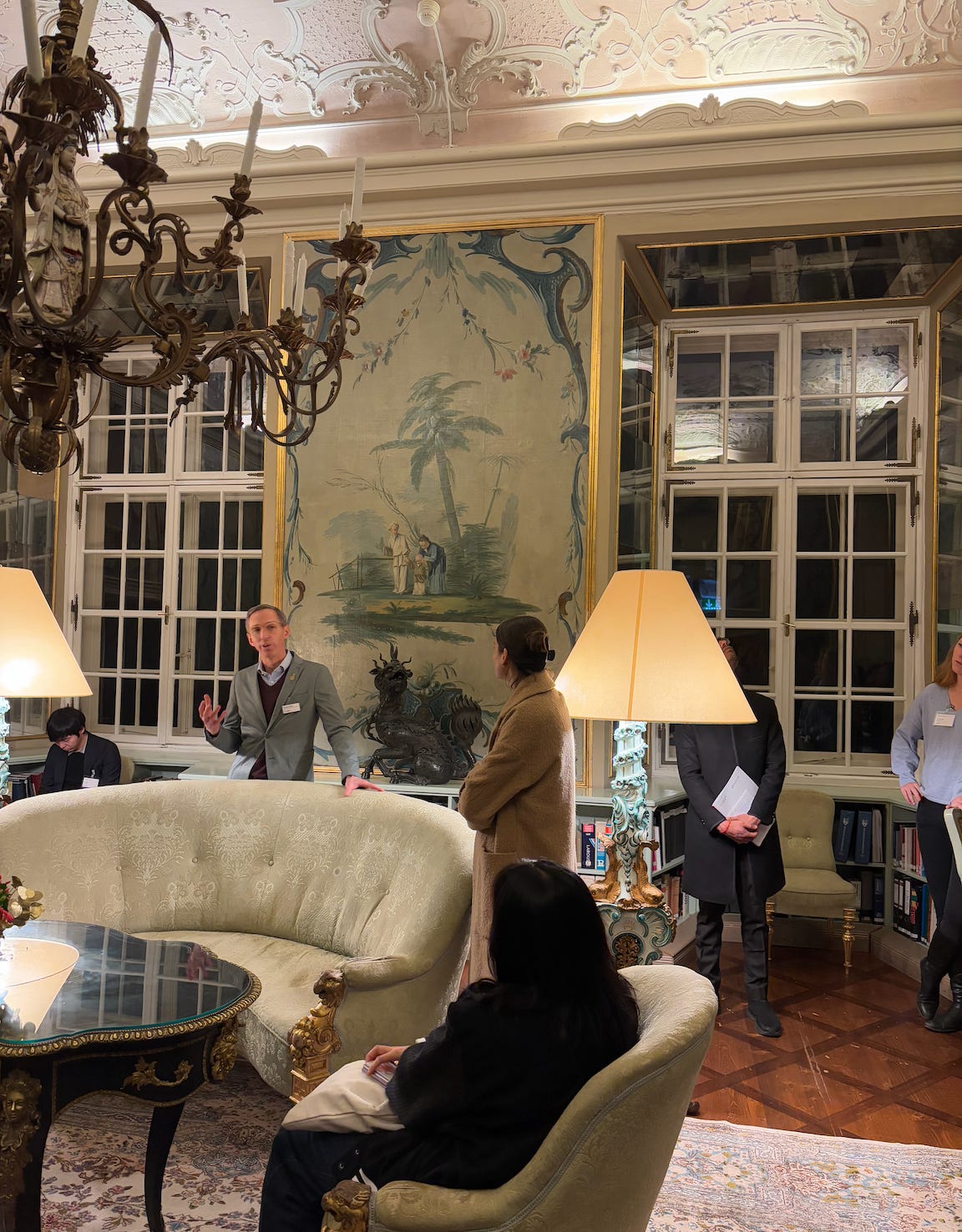
If you could write a book in this corner, what would it be about? A couple of days prior to our arrival at Salzburg, the Australian Parliament passed a stringent law banning children under 16 from using social media. The eSafety Commissioner will enforce the rules but there are several challenges and questions that need to asked: how would the age verification work? what if the teenager was already using these social media platforms? VPN usage circumvention? Defining social media platforms (e.g. YouTube’s status). More about the Social Media ban covered here.

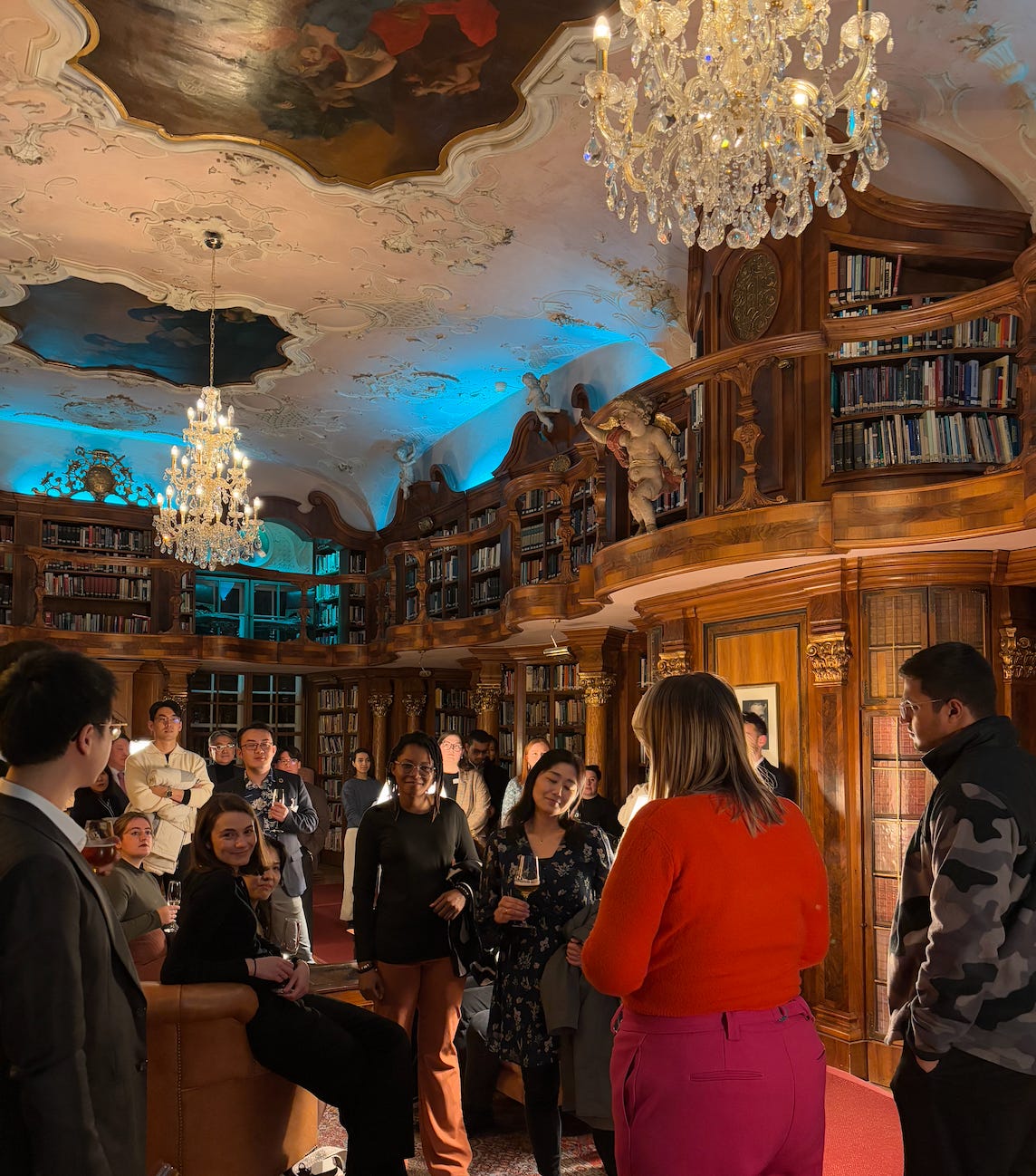

I am incredibly grateful for this experience, as it not only enriched my understanding of complex issues related to the technology but also connected me with a remarkable group of Fellows. Each cohort mate brought unique insights and experiences to the table that challenged my horizon of thinking.
While it may seem paradoxical to discuss cutting-edge technology in an 18th-century palace, the historic setting of Schloss Leopoldskron provided a unique backdrop for our conversations about the future. This juxtaposition underscored the profound changes technology has brought to humanity since the palace's construction, allowing us to reflect on how far we've come and the challenges that lie ahead. The genesis story of Salzburg Global, which began with the formation of its first cohort in the aftermath of World War II, also served as a powerful reminder that the willingness to engage in dialogue is the essential first step toward collaboration.
Ending this fellowship with gratitude.